Cairn Feelings™
Age 3Age 4Age 5Age 6
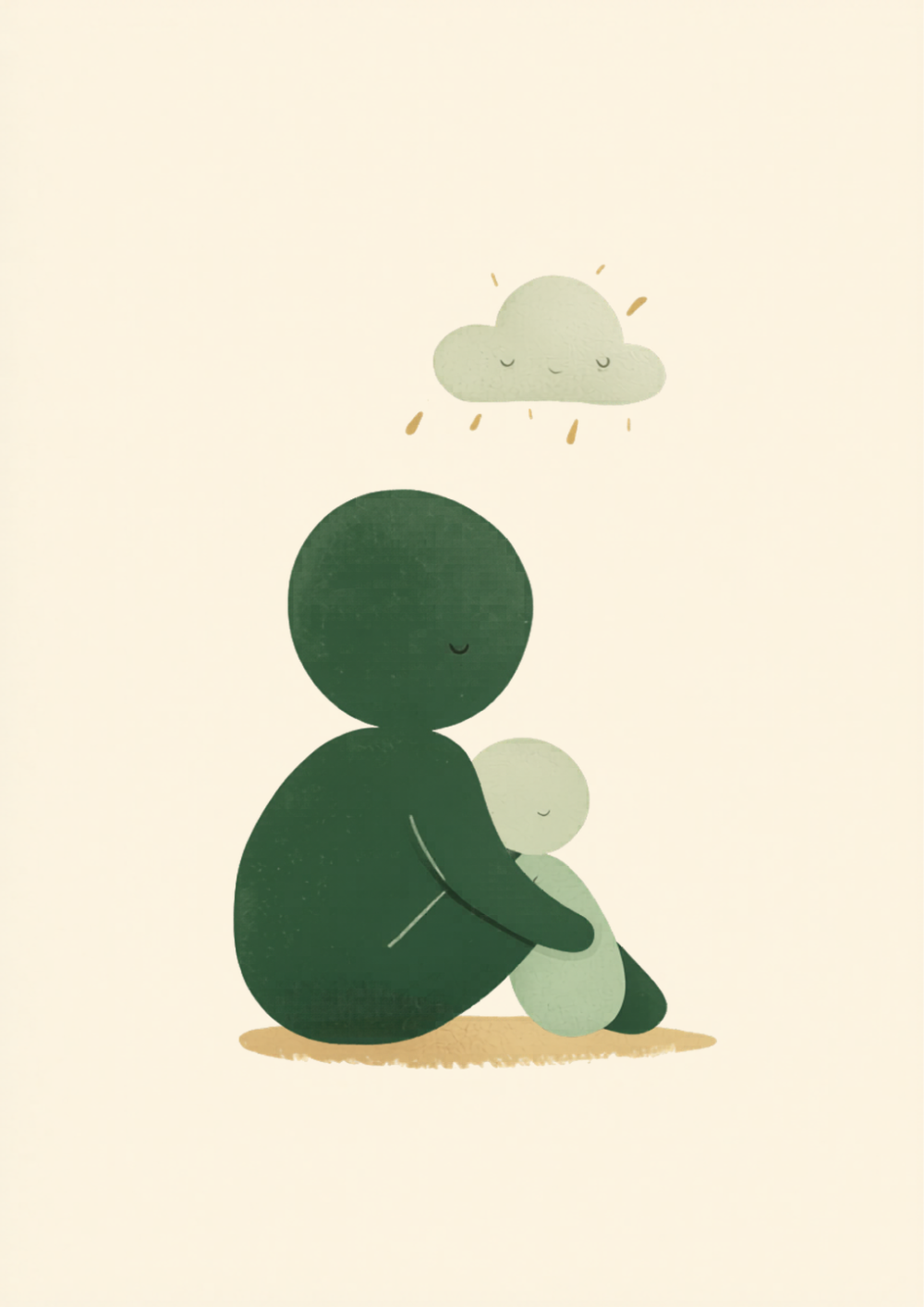
Naming big feelings and learning to ride them out. The skill no other kids' game is racing to teach.
The science
Self-regulation, the ability to recognize a feeling and manage it, predicts later wellbeing, friendships, and even school success more than early academics do. It grows through being named and practised, not lectured. Cairn Feelings helps children label what they feel and rehearse the small moves back to calm, the most on-brand and least cynical thing we make.
Naming a feeling reduces its grip. Lieberman's work on “affect labeling” shows that putting feelings into words calms the brain's alarm system. “You seem frustrated” is not soft, it is regulation training.
Self-regulation sits inside executive function (Diamond), and Moffitt's decades-long study found childhood self-control predicted adult health and wellbeing. It is arguably the most important thing these years build, and the thing engagement-driven design most directly undermines.
Young children regulate by borrowing a calm adult's nervous system first (co-regulation), then internalize it. So this game is unusually parent-facing: it gives you the words and the moves, and it is the rare game we are delighted for your child to not need.
- Lieberman on affect labeling
- Diamond on executive function (2013)
- Moffitt et al. on self-control (2011)
- Research on co-regulation in early childhood
By age, and how to do it at home
Here is what is developing at each age, what Cairn Feelings does about it, and a way to build the same skill at home. The home column is the real point: even if your child never opens the app, you can do this. The best early learning has always been a parent and a child and a little knowing-what-to-try.
Feels big feelings with little control yet, and learns the first feeling words.
Name the feeling on a calm illustrated face, and a simple breathe-with-me moment.
Name feelings out loud, theirs and yours: “you're disappointed.” Naming is the lesson.
Names common feelings and begins to pause, with help, before reacting.
Match feelings to situations, and practise a slow belly breath together.
Make a calm-down corner with a few soft things. Use it together, not as a punishment.
Recognizes feelings building and tries a calming strategy when reminded.
Spot the feeling getting bigger, and choose a way back to calm.
Name the strategy: “let's take three dragon breaths.” Practise when calm, not only in storms.
Names subtler feelings and chooses a strategy more independently.
Trickier feelings, others' feelings, and building a personal calm-down plan.
Talk through a hard moment after it passes: “what helped, what could we try next time?”
In the workshop.
This game is on the bench, built one at a time and only shipped when it clears all six of our promises. The science and the at-home guide above work today, with or without the app. Want to know when it lands? hello@playcairn.com.
See the whole libraryThe pedagogy behind every Cairn game is written in plain language and cited. Questions, or a researcher who wants to argue with us? hello@playcairn.com.