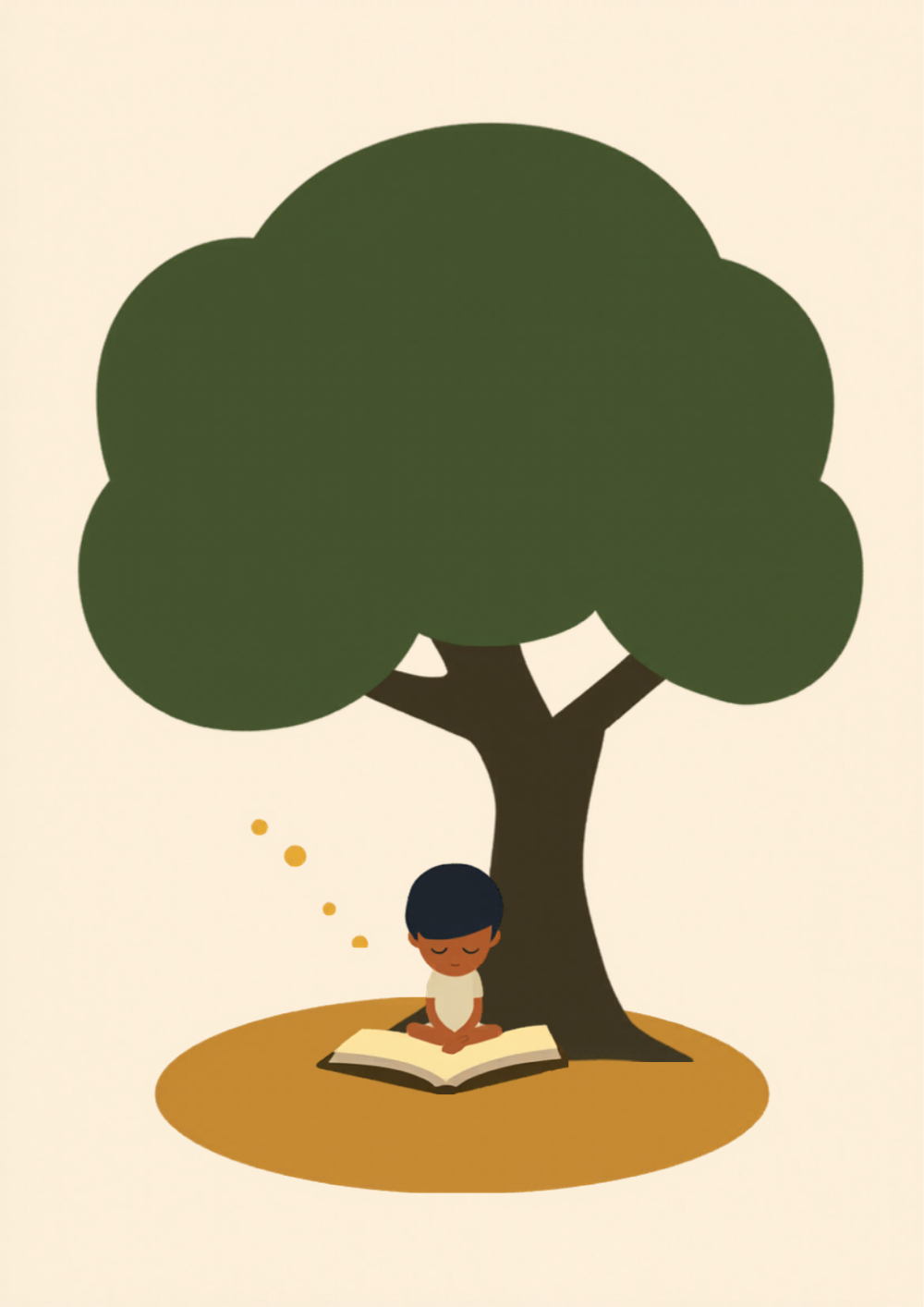

Cairn Read™
ReadingLetter sounds to first sentences, taught in the order the research actually recommends.
- Systematic synthetic phonics has the strongest evidence base (NRP, 2000).
- Letters arrive in SATPIN order, so kids build real words on day one.
- Every sentence is decodable, with a picture check for meaning.
- Smash letter blocks through maze worlds.
- Feed letters to a hungry monster until it burps.
- Trace letters with a fingertip, then beat a boss every fifth level.
Kids love this one!
Most “reading” apps are a cartoon with letters glued on. This one teaches the thing.
See the science →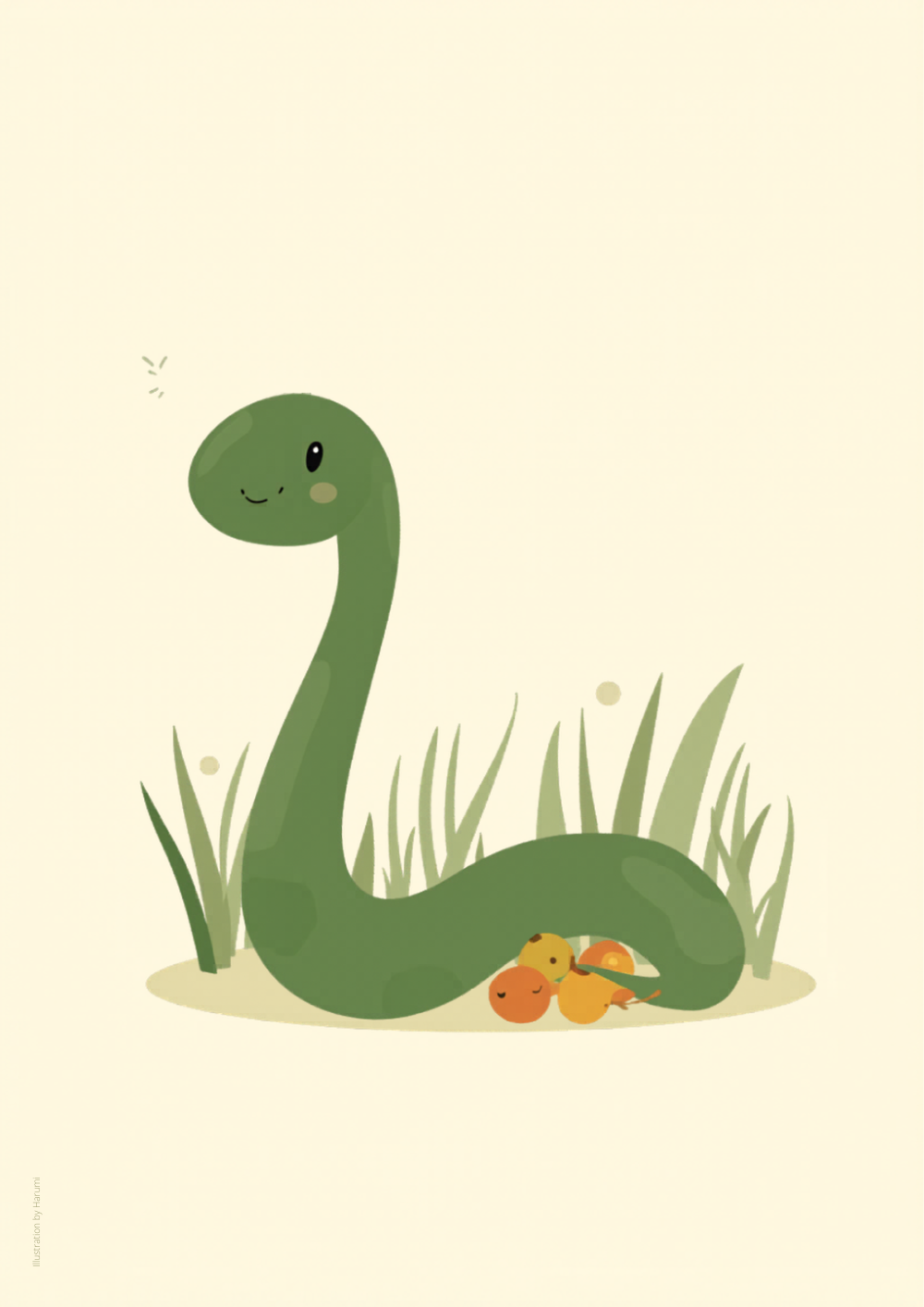

Cairn Snake™
Play and motor controlSteer the snake, munch the snacks, grow. Pure play, tuned for little hands.
- Self-directed play is where kids rehearse planning and focus.
- Drag-to-steer builds the hand-eye control behind handwriting.
- No game-over screen, so there is no failure to dread.
- Steer a hungry snake with one finger.
- Munch snacks and grow gloriously long.
- Chase hats, power-ups, and new worlds. Nobody loses, ever.
Snakes get gloriously, ridiculously long.
No timers, no lives, no “you failed.” A four-year-old should not be taught to dread a game-over screen.
See the science →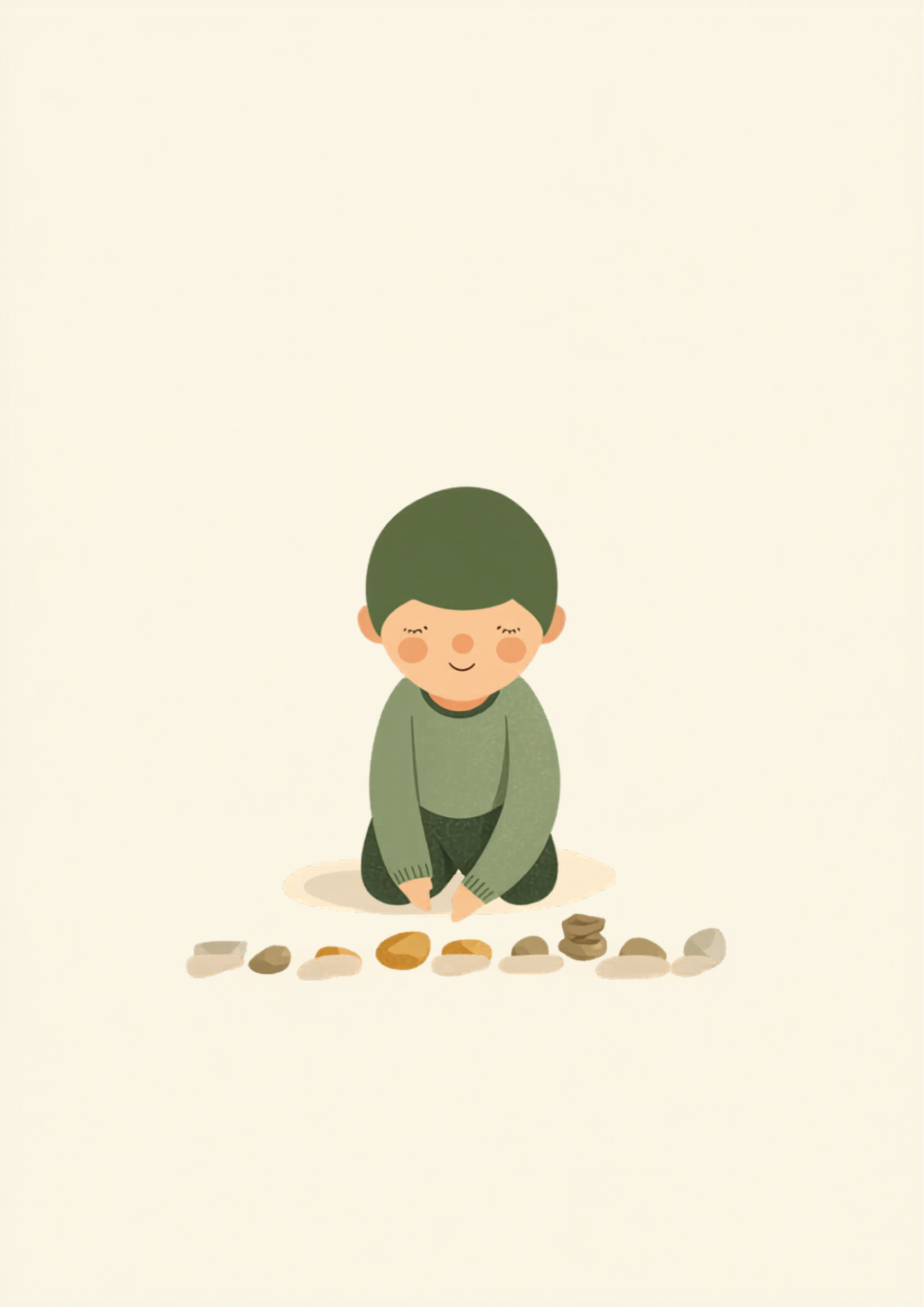

Cairn Number™
Number senseCounting, how many, and the first idea that numbers can be taken apart and put back together.
- Number sense, not memorized sums, predicts later math.
- The last number you count is how many there are (Gelman & Gallistel).
- Seeing amounts at a glance is an early math superpower.
- Tap and count real things, out loud.
- Snap number bonds together with blocks.
- Quick how-many flashes to beat your own eye.
Quietly the most addictive one.
We are not teaching your three-year-old to do timed arithmetic. Nobody should be.
Read the science →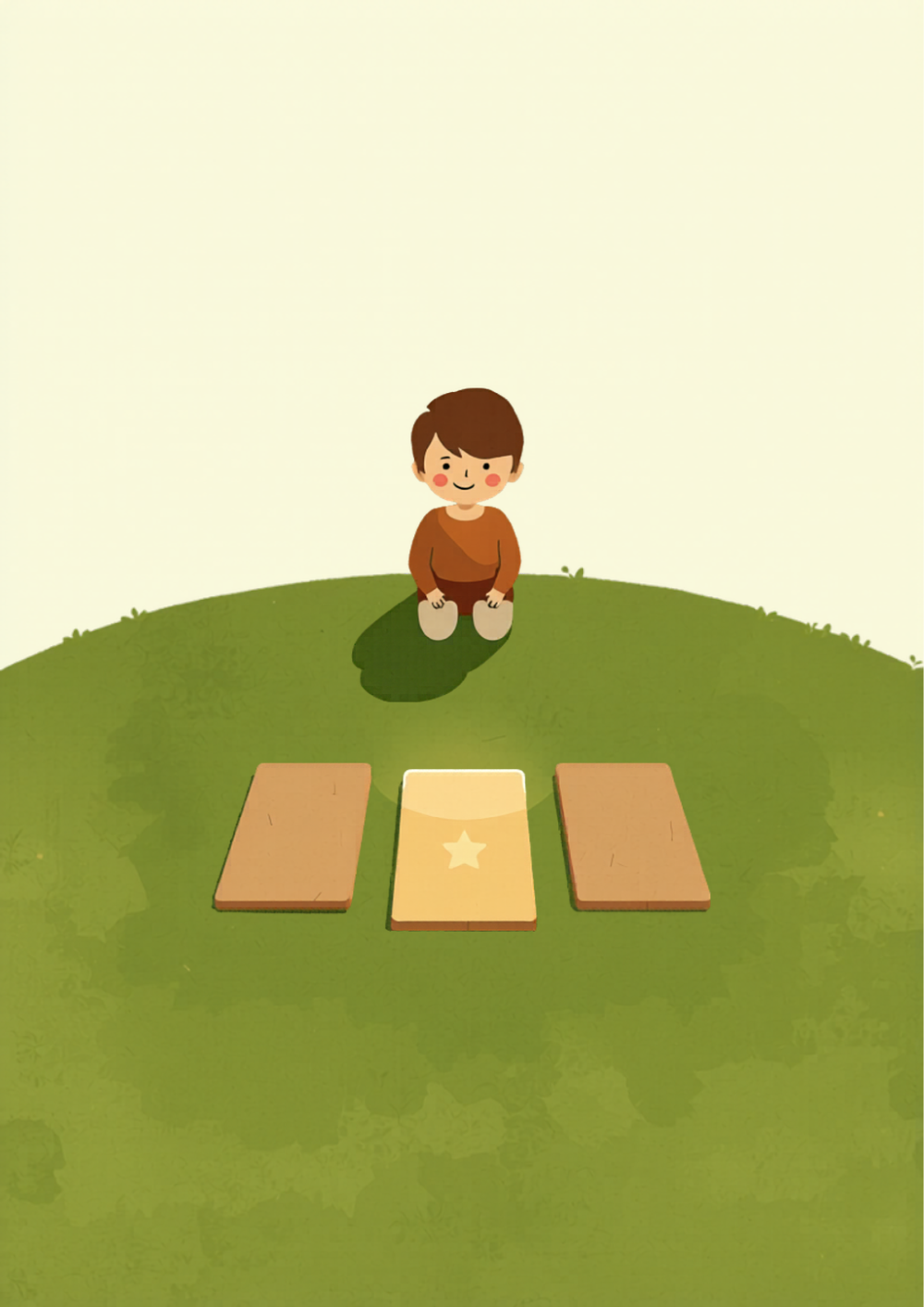

Cairn Memory™
Working memoryRemember-and-find games that gently stretch how much a little mind can hold at once.
- Working memory is the workspace behind reading and math.
- It grows steadily across ages 3 to 6 with the right practice.
- Short, playful, just past comfortable is how memory sticks.
- Flip and match hidden pairs.
- Remember where the star was hiding.
- Spot what changed, then repeat the sequence back.
Fair warning: kids beat grown-ups at this.
Memory matters. Memorizing that an ad rewards you for watching does not. We skip that part.
Read the science →

Cairn Pattern™
ReasoningWhat comes next? Finishing patterns is how a child first learns to think in steps.
- Patterning in preschool predicts later math (Rittle-Johnson).
- Finding a rule is the first form of real reasoning.
- It grows from what repeats to what changes, and why.
- Finish the red-blue-red-blue.
- Spot the one that does not belong.
- Fix a broken pattern, then crack the secret rule.
The “I got it” face is the whole point.
The thinking skill behind a lot of “gifted” test prep. We just call it a game and skip the flashcards.
Read the science →

Cairn Build™
Visual and spatialLook at the shape, then build it. Blocks, in your hands and on the screen.
- Early block skill predicts math and spatial ability years on (Verdine, Newcombe).
- Spatial skill is trainable, not a fixed gift.
- Words like edge and between power the thinking.
- Copy the tower from a picture.
- Turn and fit the pieces.
- Find the missing block, then build it backwards.
Knocking the tower down counts as winning.
Spatial skill predicts engineering degrees. It also just feels great to build a tower. Both are true.
Read the science →

Cairn Word™
VocabularyNew words and how they fit together, for the talkers at the older end of the band.
- Vocabulary is the half of reading that decoding cannot reach.
- Words grow through rich talk, not flashcards.
- Depth means knowing what a word is like, not just what it means.
- Name the picture in real, juicy words.
- Sort words into families and match opposites.
- Catch the joke that turns on two meanings.
Tiny humans, enormous words.
A child can decode every word on a page and understand none of it. Vocabulary is the half nobody gamifies. We will.
Read the science →

Cairn Sort™
Self-controlWhich ones go together? Sorting games that quietly build self-control and focus.
- Self-control predicts outcomes as strongly as IQ (Moffitt).
- Sorting by a rule, then a new rule, trains it (Zelazo).
- All of it is trainable in early childhood (Diamond).
- Sort by color, then suddenly by shape.
- Catch yourself before the obvious wrong answer.
- Find a second way to group the same things.
The rule flips and they gasp every time.
Executive function predicts life outcomes better than IQ. Engagement-loop apps actively erode it. We are on the other side.
Read the science →

Cairn Find™
AttentionSpot it fast. Looking games that build focus and the speed to act on it.
- Attention underpins almost all early learning.
- Processing speed frees a child to think while they work.
- We build speed on top of accuracy, never instead of it.
- Spot the one duck on a calm page.
- Find them all before the gentle timer.
- Hunt the difference, then beat your own best time.
Eagle eyes, engaged.
We train attention the honest way, not by hijacking it. There is a difference, and your child's brain knows it.
Read the science →

Cairn Sound™
Hearing sounds in wordsHearing the little sounds inside words, for the littlest ones, before letters even start.
- Hearing the sounds in words is the best early reading predictor.
- It is an ear skill, not a print skill.
- Rhyme and blending come before any letter.
- Match the words that rhyme.
- Clap the beats in a name.
- Blend c-a-t into cat, then swap a sound for a new word.
Expect silly rhymes at the dinner table.
The most important pre-reading skill happens with your ears, not a screen. So this one nudges you to put the screen down and sing.
Read the science →

Cairn Story™
UnderstandingFirst, next, last. Putting picture stories in order, which is where understanding begins.
- Oral story skill predicts later reading comprehension.
- Sequencing, and why, come before letters.
- A good question and time to answer it is the whole method.
- Put the picture story in order.
- Guess what happens next.
- Spot how a character feels, then tell it back your way.
They always direct their own ending.
Comprehension is the whole point of reading, and it is the part most apps quietly skip. We start it before letters.
Read the science →

Cairn Feelings™
Big feelings and self-controlNaming big feelings and learning to ride them out. The skill no other kids' game is racing to teach.
- Naming a feeling calms the brain's alarm (affect labeling, Lieberman).
- Self-regulation predicts wellbeing and friendships (Diamond, Moffitt).
- Kids borrow a calm grown-up's nervous system first.
- Name the feeling on a calm face.
- Take three dragon breaths together.
- Catch a big feeling rising, and find the way back to calm.
A game that helps the meltdown pass.
Every other app is engineered to make your child harder to put down. This one is built to help them settle. Read that twice.
Read the science →
Cairn Spell™
Spelling and encodingHear a word, then build it from its sounds. Reading taught backwards, which makes reading stick.
- Reading and spelling are one skill (Ehri, 2000).
- Writing the sounds you hear predicts later reading.
- Segmenting a word into sounds is the key pre-reading move.
- Hear a word, then build it.
- Snap a letter for each sound, SATPIN first.
- Stretch and check the spelling against the sounds.
Their first “I wrote it myself.”
Most apps drill spelling as strings to memorize. We teach the sound-to-letter logic underneath, which is the part that transfers.
Read the science →
Cairn Add™
Early additionPutting numbers together, with blocks and number bonds, well before worksheets.
- A number is made of parts: five is four and one.
- Kids grow count-all → count-on → recall (Baroody).
- Number bonds and ten-frames make small sums visible.
- Push two groups of blocks together.
- Count on from the bigger number.
- Snap bonds to ten, then the first sums.
Quietly turns two dice into math.
Nobody needs a timed flash-card app at five. Number bonds you can see beat speed drills that teach a kid math is scary.
Read the science →
Cairn Shape™
Shapes and spaceName them, sort them, build with them, fold them in half. Geometry that feels like play.
- Geometry grows in levels: look, then parts, then why (van Hiele).
- Spatial skill predicts STEM and is trainable (Verdine).
- Composing and folding make shape properties concrete.
- Sort shapes by their properties.
- Build a picture from tangram pieces.
- Fold it in half to find symmetry.
Tangrams are secretly addictive.
Spatial skill predicts who sticks with STEM, and it is trainable. We train it with tangrams, not lectures.
Read the science →
Cairn Write™
Writing a sentenceFrom letters to a real sentence: spaces, a capital at the start, a period at the end.
- Writing is transcription + ideas, held in working memory (Berninger).
- Teaching sentence conventions helps beginners (IES, 2012).
- Easy spelling frees the mind to compose.
- Build a sentence from words.
- Add the capital and the period.
- Mind the spaces, then read it back.
One sentence a day, and they are a writer.
Handwriting apps stop at tracing. Writing is putting a thought on a line so someone else can read it, and that is the part that matters.
Read the science →
Cairn Count™
Counting and place valueCounting all the way to a hundred, and the big idea that ten ones make a ten.
- Tens are the hidden structure of every number (NRC).
- Bundling into tens beats rote counting.
- Place value is the base of all later arithmetic.
- Count to a hundred, then by tens.
- Bundle ones into tens.
- Read a two-digit number as tens and ones.
Counting a giant pile, on purpose.
Counting to 100 is a party trick until a child sees the tens inside it. We teach the structure, which is the whole game.
Read the science →
Cairn Clock™
Time and sequenceThe shape of a day, in order, and reading a clock to o'clock and half past.
- Sequence and duration come before the clock (Friedman).
- Reading a clock joins number sense to daily life.
- Knowing what comes next is genuinely calming.
- Order the day, first to last.
- Learn o'clock and half past.
- Set the hands to match the time.
Fixes the “is it snack yet?” loop.
A surprising amount of a kid's worry is not knowing what comes next. Reading time is a real, calming, useful skill.
Read the science →