Cairn Story™
Age 3Age 4Age 5Age 6
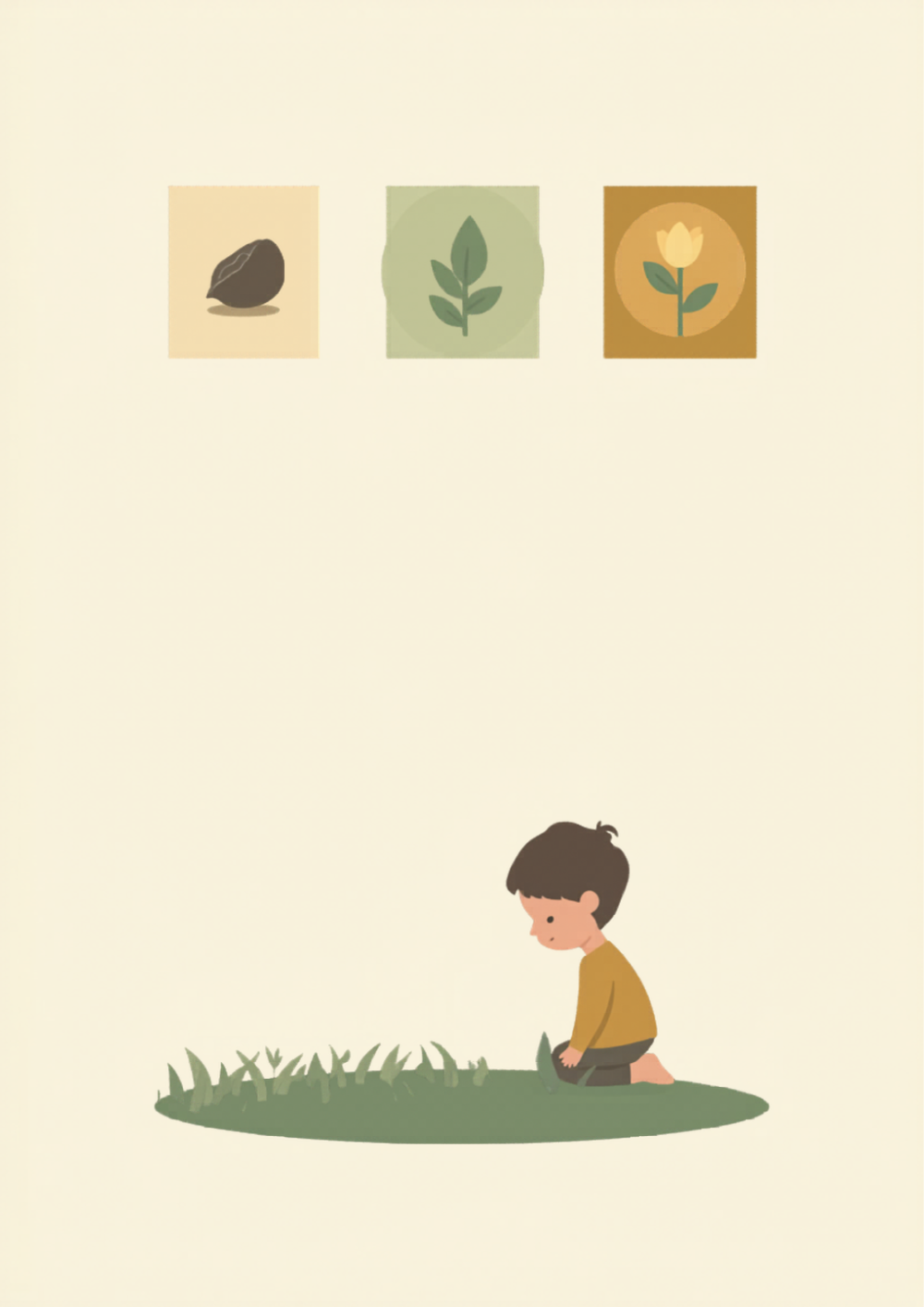
First, next, last. Putting picture stories in order, which is where understanding begins.
The science
Long before they read, children build the comprehension that reading depends on: putting events in order, predicting what happens next, and understanding why characters do things. Oral narrative skill in the preschool years predicts later reading comprehension. Cairn Story builds it with picture sequences and the question that matters most: what happened, and why?
Comprehension is not a skill you bolt on after decoding. It grows for years before print, through stories told, heard, and retold. A child who can sequence a simple picture story and explain a character's feeling is building the exact machinery that later understands a paragraph.
Story grammar, the sense that events have a beginning, a problem, and a resolution, is learnable and predicts reading comprehension. The game makes it visible: arrange the pictures, tell what happened, guess what comes next.
Inference is the deep end: not just what happened, but why, and how someone felt. We get there gently, with questions, because the best comprehension instruction has always been a good question and time to answer it.
- Research on oral narrative and reading comprehension
- Story-grammar instruction
- Scarborough's Reading Rope (comprehension strands)
By age, and how to do it at home
Here is what is developing at each age, what Cairn Story does about it, and a way to build the same skill at home. The home column is the real point: even if your child never opens the app, you can do this. The best early learning has always been a parent and a child and a little knowing-what-to-try.
Follows a simple story and anticipates the familiar next part.
Two-picture before-and-after, with the story told aloud.
Read the same beloved book on repeat and pause before the part they know.
Retells a familiar story in rough order and names how a character feels.
Put three pictures in order and pick how the character feels.
“Then what happened?” Let them retell the bedtime story back to you.
Sequences a short story and predicts a sensible next event.
Four- and five-picture sequences and “what happens next” choices.
Tell stories about your own day in order. Ask them to tell one back.
Explains why events happen and infers feelings and reasons not shown.
Longer sequences, “why did that happen,” and first inference puzzles.
After a story or show, ask “why did she do that?” and “how do you think he felt?”
In the workshop.
This game is on the bench, built one at a time and only shipped when it clears all six of our promises. The science and the at-home guide above work today, with or without the app. Want to know when it lands? hello@playcairn.com.
See the whole libraryThe pedagogy behind every Cairn game is written in plain language and cited. Questions, or a researcher who wants to argue with us? hello@playcairn.com.