A small library, made slowly
Honest games for curious kids.
Cairn makes learning games for kids ages 3 to 6. No ads, no subscriptions, nothing collected about your child. Buy a game once and it is yours, even on a plane with no wifi.
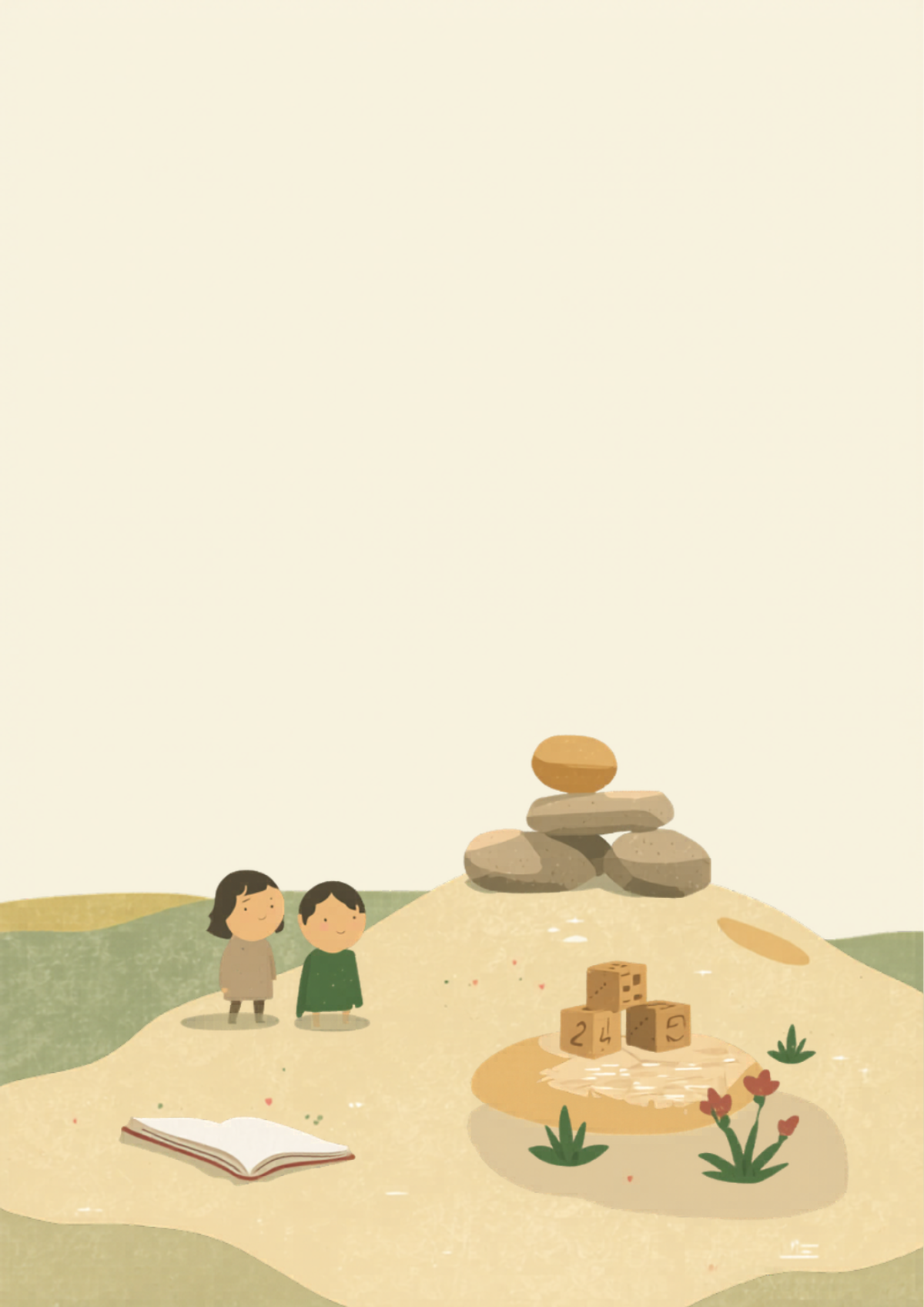
Cairn makes learning games for kids ages 3 to 6. No ads, no subscriptions, nothing collected about your child. Buy a game once and it is yours, even on a plane with no wifi.
Every game has to clear all six before it ships.
Little kids cannot tell an ad from a game, so our games have none. No banners, no videos, no "watch this to win a prize."
No accounts, no sign-ups. Progress, photos, and recordings stay on your device. We never see them, and we could not if we tried.
One small price, one time. No subscription, no surprise charges, no locked levels. Updates are free.
Each game follows what reading and child-development researchers have shown works, and comes with a plain-English note that lists the sources.
No flashing lights, no nonstop rewards, no tricks to keep kids hooked. A child can put it down without a meltdown.
After the first open, no wifi needed. Road trips, waiting rooms, the grandparents' house.
You went looking for something good for your kid and came back uneasy. Here is the difference, said plainly.
Each game builds one real skill, broken down by age. The core library is for ages 3 to 6; as a child grows, more advanced games unlock. Pick your kid's age to see what fits.
Showing the games for a 3-year-old. Fives and sixes unlock more.

Letter sounds to first sentences, taught in the order the research actually recommends.
Kids love this one!
Most “reading” apps are a cartoon with letters glued on. This one teaches the thing.
See the science →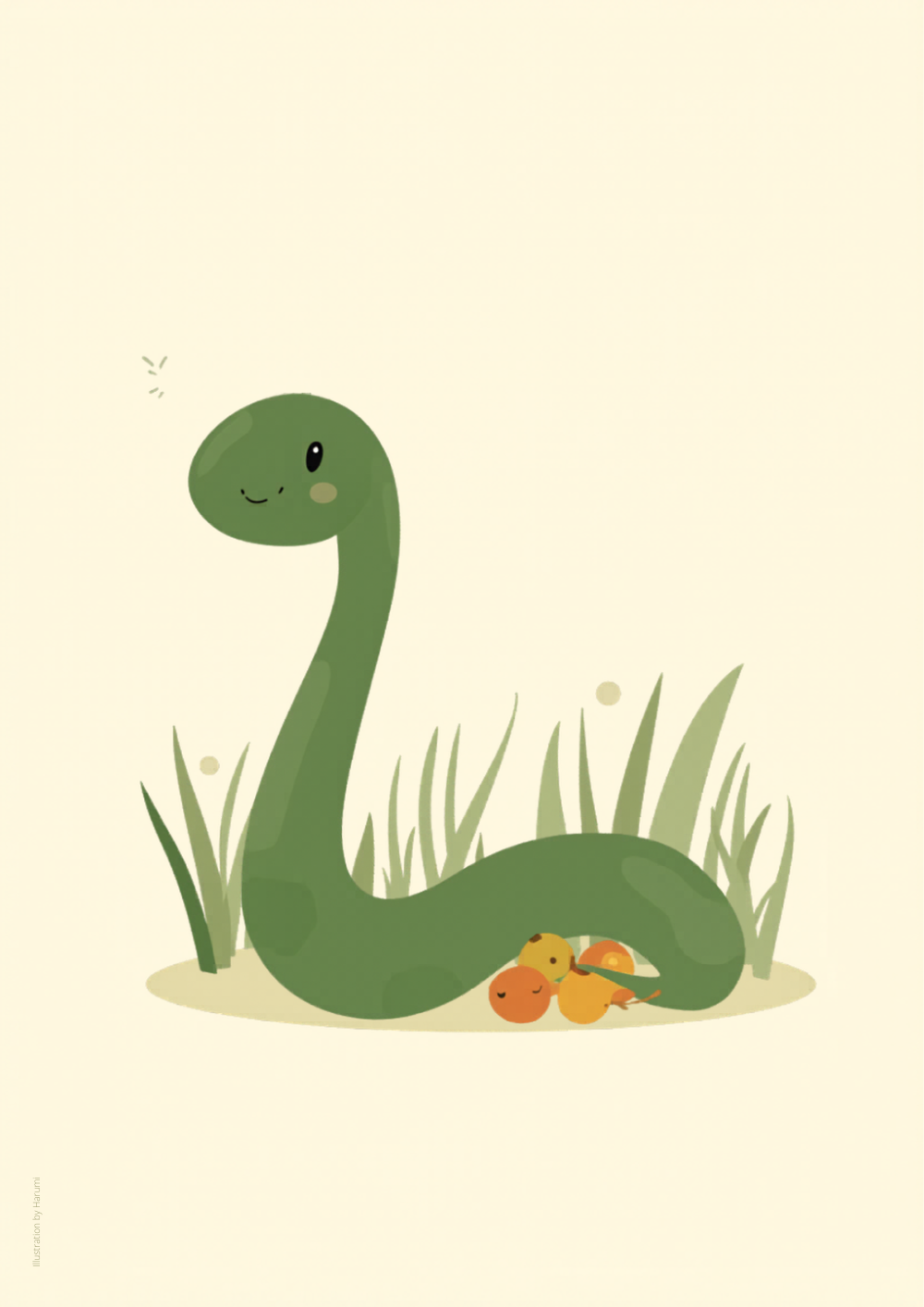

Steer the snake, munch the snacks, grow. Pure play, tuned for little hands.
Snakes get gloriously, ridiculously long.
No timers, no lives, no “you failed.” A four-year-old should not be taught to dread a game-over screen.
See the science →

Counting, how many, and the first idea that numbers can be taken apart and put back together.
Quietly the most addictive one.
We are not teaching your three-year-old to do timed arithmetic. Nobody should be.
Read the science →

Remember-and-find games that gently stretch how much a little mind can hold at once.
Fair warning: kids beat grown-ups at this.
Memory matters. Memorizing that an ad rewards you for watching does not. We skip that part.
Read the science →

What comes next? Finishing patterns is how a child first learns to think in steps.
The “I got it” face is the whole point.
The thinking skill behind a lot of “gifted” test prep. We just call it a game and skip the flashcards.
Read the science →

Look at the shape, then build it. Blocks, in your hands and on the screen.
Knocking the tower down counts as winning.
Spatial skill predicts engineering degrees. It also just feels great to build a tower. Both are true.
Read the science →

New words and how they fit together, for the talkers at the older end of the band.
Tiny humans, enormous words.
A child can decode every word on a page and understand none of it. Vocabulary is the half nobody gamifies. We will.
Read the science →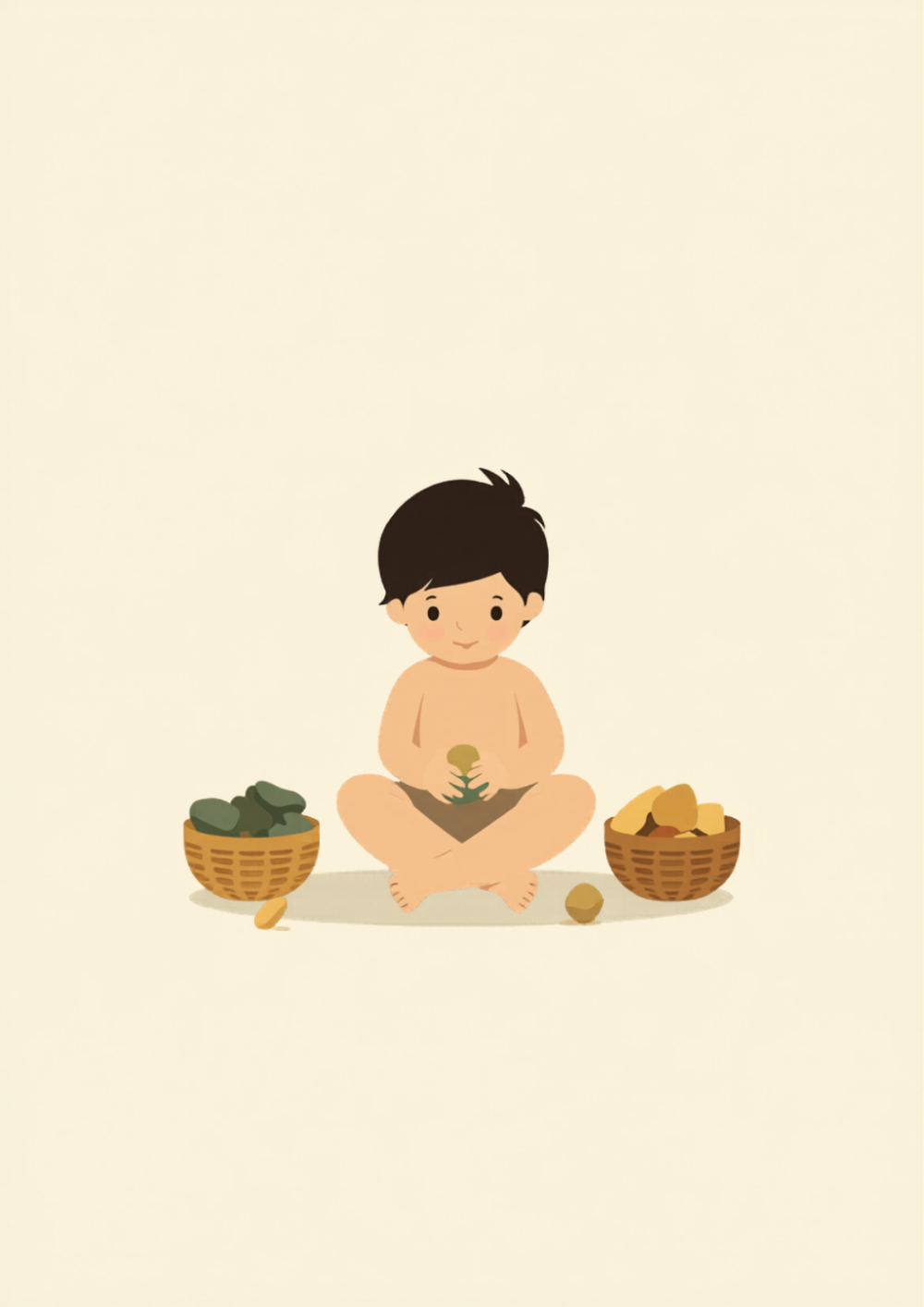

Which ones go together? Sorting games that quietly build self-control and focus.
The rule flips and they gasp every time.
Executive function predicts life outcomes better than IQ. Engagement-loop apps actively erode it. We are on the other side.
Read the science →

Spot it fast. Looking games that build focus and the speed to act on it.
Eagle eyes, engaged.
We train attention the honest way, not by hijacking it. There is a difference, and your child's brain knows it.
Read the science →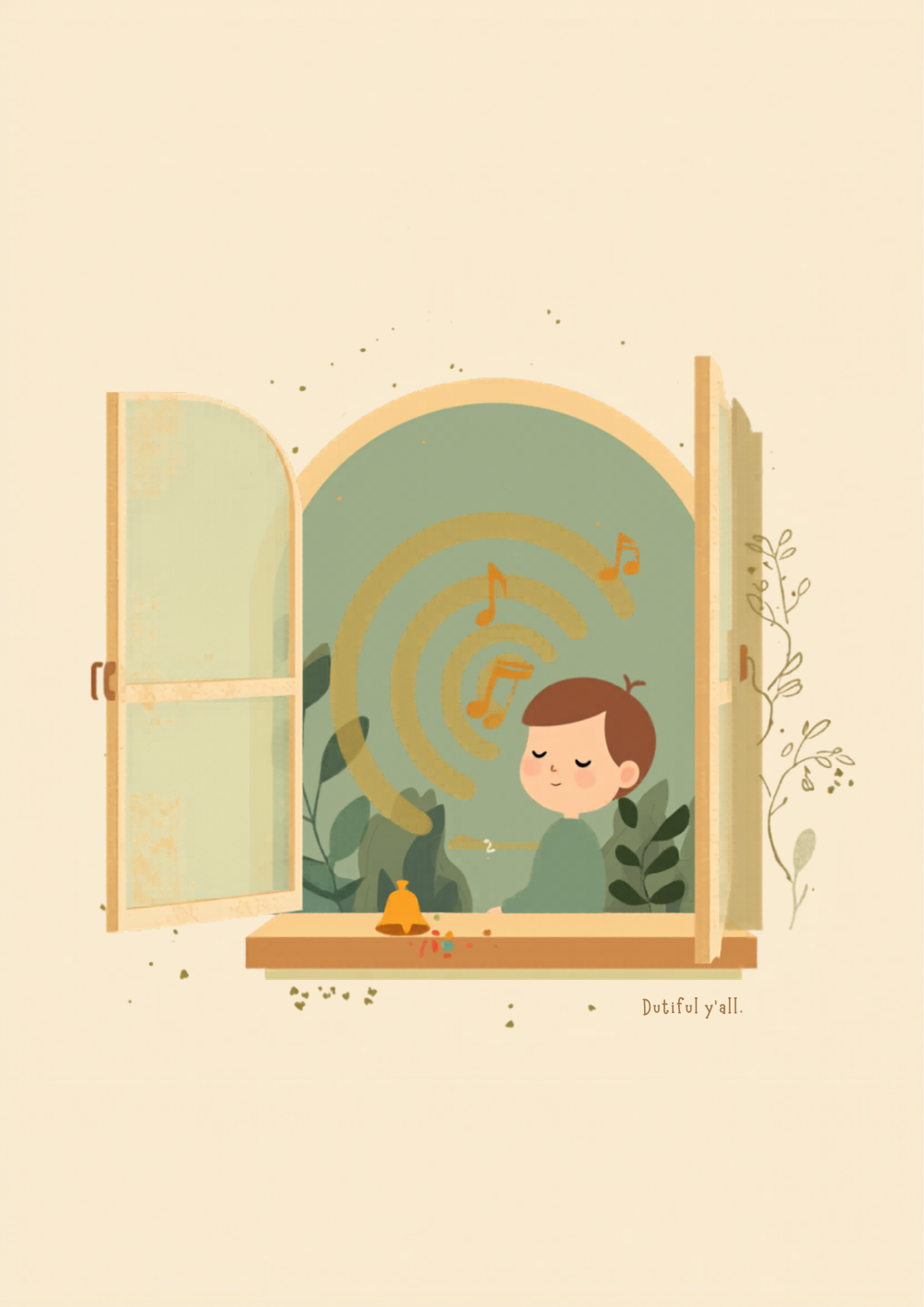

Hearing the little sounds inside words, for the littlest ones, before letters even start.
Expect silly rhymes at the dinner table.
The most important pre-reading skill happens with your ears, not a screen. So this one nudges you to put the screen down and sing.
Read the science →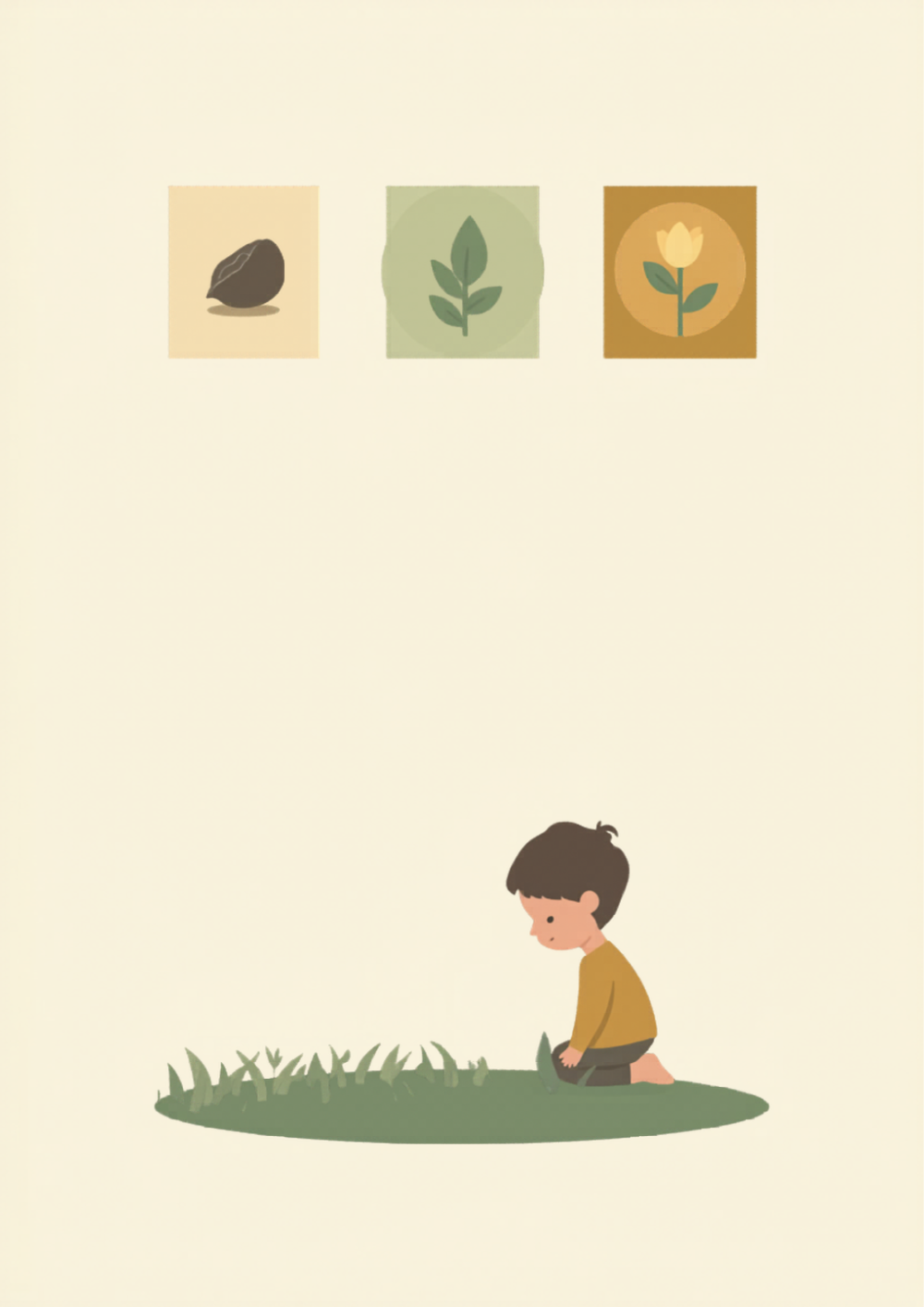

First, next, last. Putting picture stories in order, which is where understanding begins.
They always direct their own ending.
Comprehension is the whole point of reading, and it is the part most apps quietly skip. We start it before letters.
Read the science →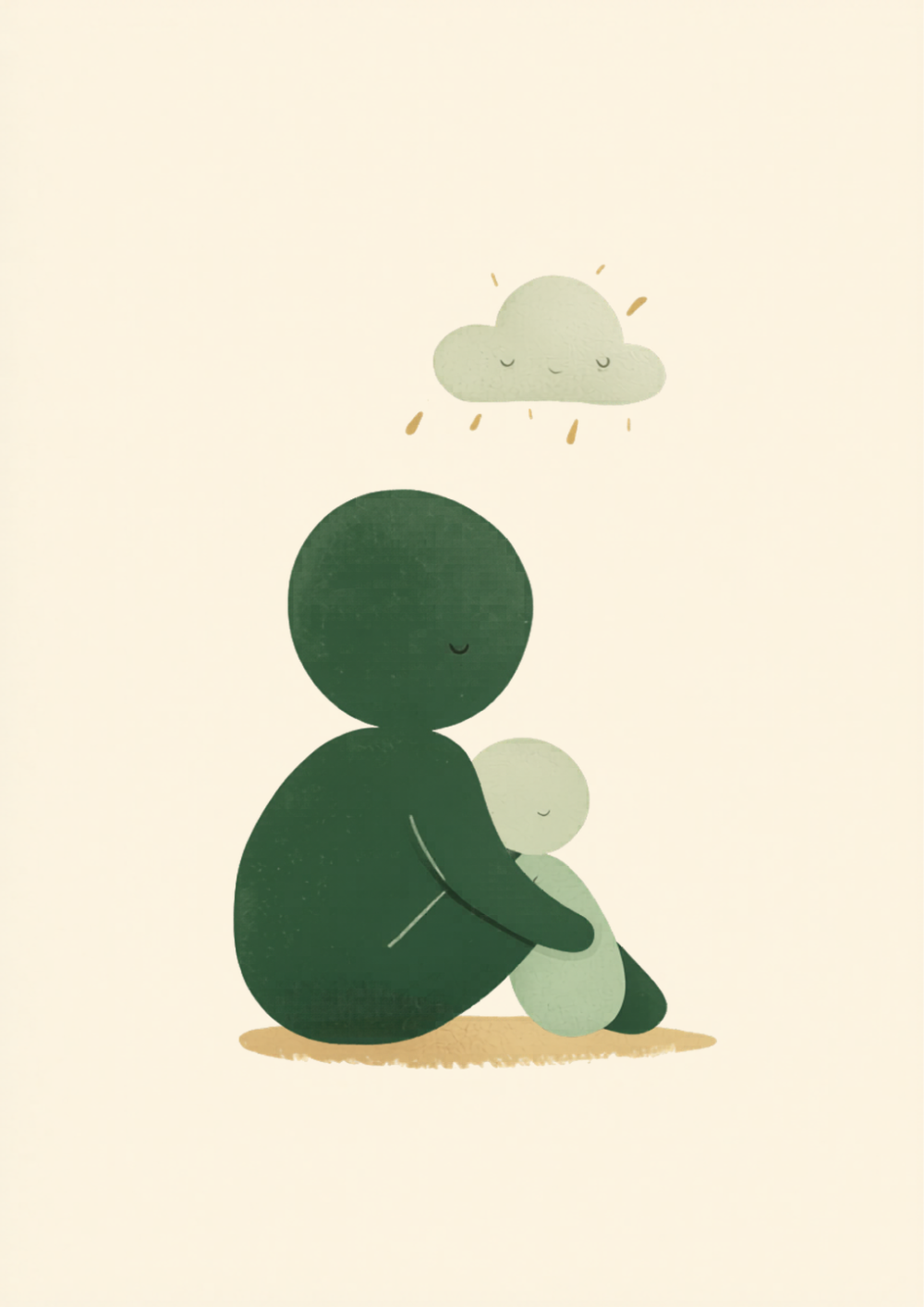

Naming big feelings and learning to ride them out. The skill no other kids' game is racing to teach.
A game that helps the meltdown pass.
Every other app is engineered to make your child harder to put down. This one is built to help them settle. Read that twice.
Read the science →
Hear a word, then build it from its sounds. Reading taught backwards, which makes reading stick.
Their first “I wrote it myself.”
Most apps drill spelling as strings to memorize. We teach the sound-to-letter logic underneath, which is the part that transfers.
Read the science →
Putting numbers together, with blocks and number bonds, well before worksheets.
Quietly turns two dice into math.
Nobody needs a timed flash-card app at five. Number bonds you can see beat speed drills that teach a kid math is scary.
Read the science →
Name them, sort them, build with them, fold them in half. Geometry that feels like play.
Tangrams are secretly addictive.
Spatial skill predicts who sticks with STEM, and it is trainable. We train it with tangrams, not lectures.
Read the science →
From letters to a real sentence: spaces, a capital at the start, a period at the end.
One sentence a day, and they are a writer.
Handwriting apps stop at tracing. Writing is putting a thought on a line so someone else can read it, and that is the part that matters.
Read the science →
Counting all the way to a hundred, and the big idea that ten ones make a ten.
Counting a giant pile, on purpose.
Counting to 100 is a party trick until a child sees the tens inside it. We teach the structure, which is the whole game.
Read the science →
The shape of a day, in order, and reading a clock to o'clock and half past.
Fixes the “is it snack yet?” loop.
A surprising amount of a kid's worry is not knowing what comes next. Reading time is a real, calming, useful skill.
Read the science →I'm Ryan King. I help CIOs and technology leaders design AI systems and workflows, so I know exactly how modern software is built to capture and hold attention. Then I watched the same tactics meant for adults get aimed at my two boys, dressed up as a cartoon. That is the thing I could not let stand.
Cairn is the shelf of games I wished someone had handed me in the first place.
The thinking behind what we ship, written plainly, with sources.
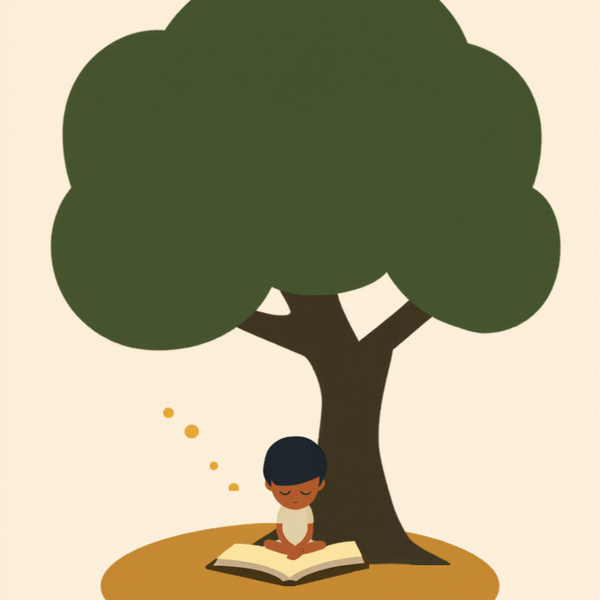
SATPIN, decodable text, and the difference between phonics and phonics theater.
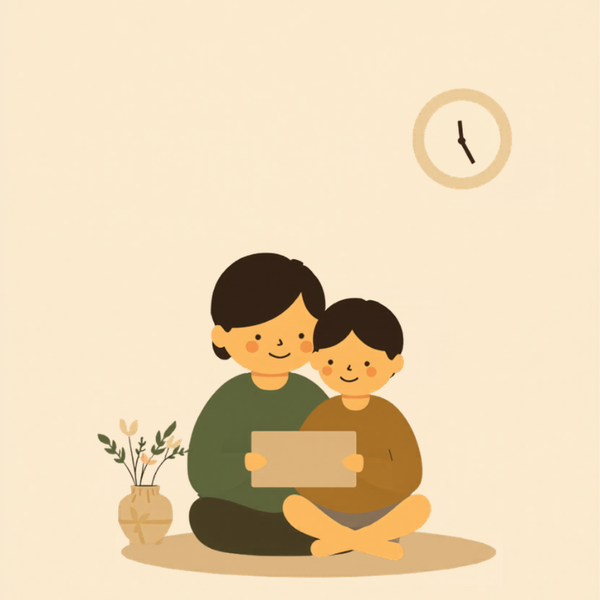
A reframe parents can use, with the research that actually justifies it.
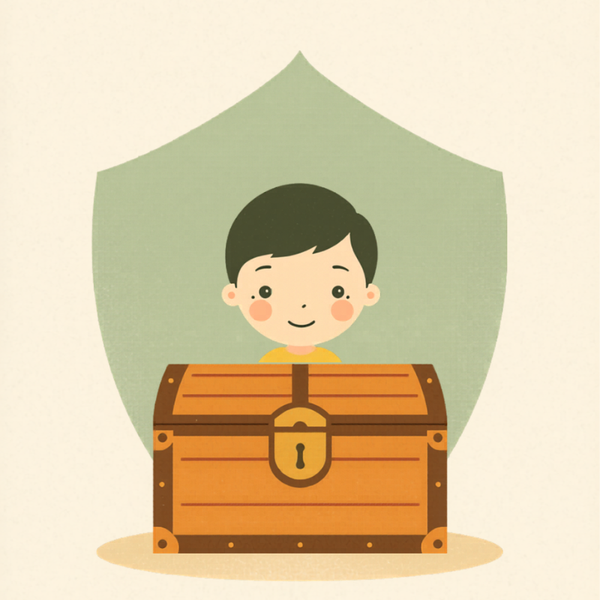
What an honest privacy posture looks like when the user is a four-year-old.
We build the library one game at a time and ship a game only when it clears all six promises. Tell us where to send a note when the next one is ready.
Send us a noteWe will only ever use your address to say a game is ready. No marketing machine, no tracking, no selling your details. Reply to stop. That is the whole policy.